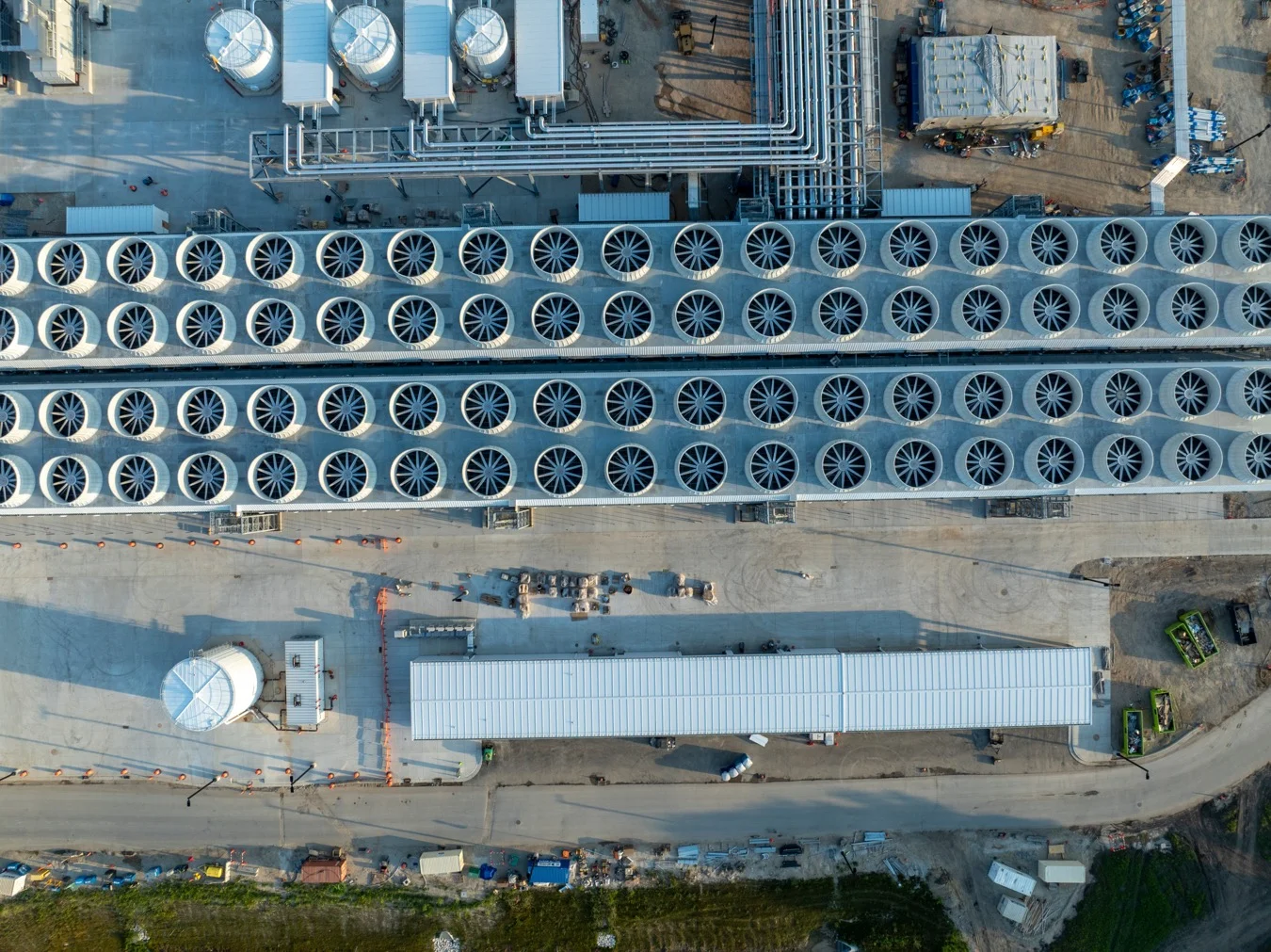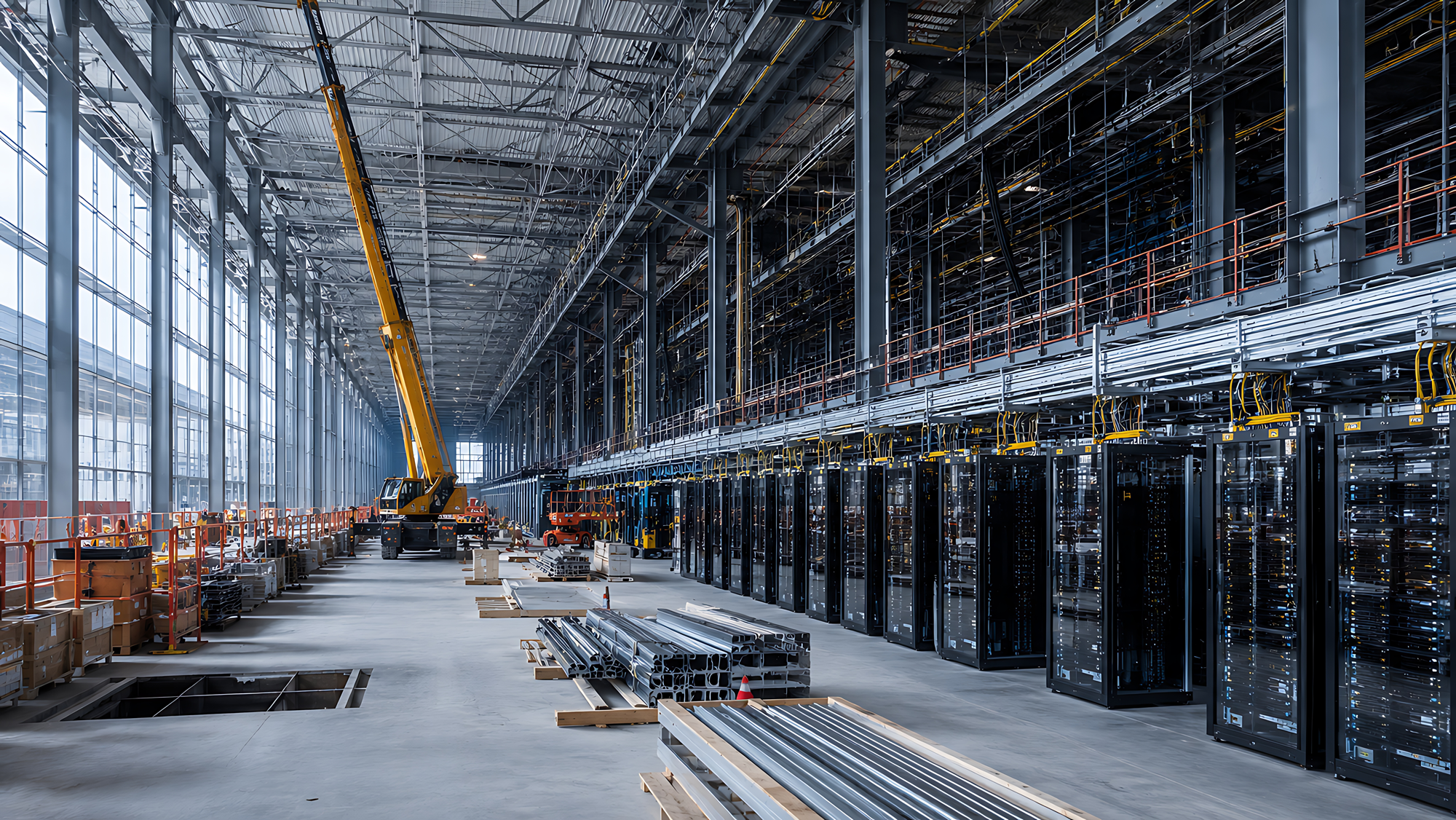
Data centre construction is in the middle of the biggest boom the built environment has ever seen. In the US alone, construction starts jumped from $14.9 billion in 2023 to $77.7 billion in 2025, and 2026 is on pace to blow past that again. Globally, the industry is tracking toward a $500 billion year, with nearly $7 trillion expected to be invested by 2030. Behind every one of those numbers is the same driver: AI.
But growth on this scale comes with a catch. The sector best known for capital availability is now defined by scarcity everywhere else. Over 70% of global markets report data centre contractor capacity as tightening or overstretched, and roughly 90% of contractors are seeing shortages in the mechanical, electrical and plumbing trades that data centres depend on most. Power, not money, has become the real bottleneck, and average construction costs per megawatt have climbed from $7.7 million in 2020 to $11.3 million forecast for 2026.
In other words: demand has never been higher, delivery has never been harder, and the margin for error has never been smaller.
This is exactly the environment where the traditional design-bid-build model starts to break. Sequential handoffs, design finished, then priced, then built, assume a world with slack in it: available trades, stable supply chains, predictable lead times. That world doesn't exist anymore for data centres. When switchgear lead times stretch to 18 months and specialist MEP crews are booked out across entire regions, discovering a constructability problem after design is locked isn't a delay. It's a missed market.
Early contractor involvement changes the equation
Early Contractor Involvement (ECI) brings the people who will actually build the facility into the room while it's still being designed, not after. At Woodalls, we treat this as the foundation of how a data centre project should be run, not an optional add-on.
The logic is simple: the biggest risks to cost, programme and quality are almost always created early and discovered late. A cooling strategy that looks elegant on paper but can't be procured on schedule. A structural grid that doesn't match available crane access. A power distribution design that assumes equipment availability nobody has actually confirmed. Under a traditional model, these surface during construction, when the only remaining options are expensive ones, redesign, reprocurement, renegotiation, all under a ticking clock.
ECI closes that gap by locking in the things that matter before they become fixed costs baked into someone else's assumptions:
- Buildability, tested against reality, not theory. Contractor input during design means every major system, power, cooling, structure, sequencing, is checked against what can actually be procured, built and commissioned in the current market, not the market that existed when the design brief was written.
- Supply chain, secured while there's still time to secure it. With MEP trades and long-lead equipment the single biggest source of schedule risk industry-wide, early involvement means procurement strategies and key orders are placed months before a traditional tender would even go out.Budgets, built from real numbers.
- Cost certainty comes from pricing that reflects actual market conditions, actual subcontractor commitments and actual site constraints, established before the client is contractually committed to a number.Programme, engineered rather than hoped for.
- Sequencing, phasing and site logistics get worked out collaboratively, so the construction programme is something the team has stress-tested together.
- Risk, owned jointly instead of passed down the chain. Importantly, ECI changes the relationship between client and contractor from adversarial to aligned. Risk is identified and priced early, together, rather than discovered late and argued over.