Certainty by design

Q: Where do projects usually go wrong, and why is this becoming the norm?

A: Projects often go wrong at the planning table, long before anyone's on site. That's the part people miss. Everyone points to the moment a project visibly derails, a specialist trade that's priced at tender has moved on by the time work starts, a design detail resolves differently than assumed, a programme that looked tight but achievable begins to slip. But that's just where the problem becomes visible. It was created months earlier, when the project was priced against a fixed set of assumptions and sent out into a market that had no obligation to hold still. What's changed is that this used to be the exception, whereas now it's becoming the norm. Contingency lines are sized to absorb it, variations get negotiated as routine, programmes are expected to flex and the industry has quietly redefined ‘default’ to include a level of overrun that would have been considered a failure a decade ago. At Woodalls, we don't accept that redefinition. A project going over budget isn't bad luck on site. It's a predictable outcome of choosing a pricing model built for a market that no longer exists.

Q: What's actually driving that shift right now?

A: Three things at once really.

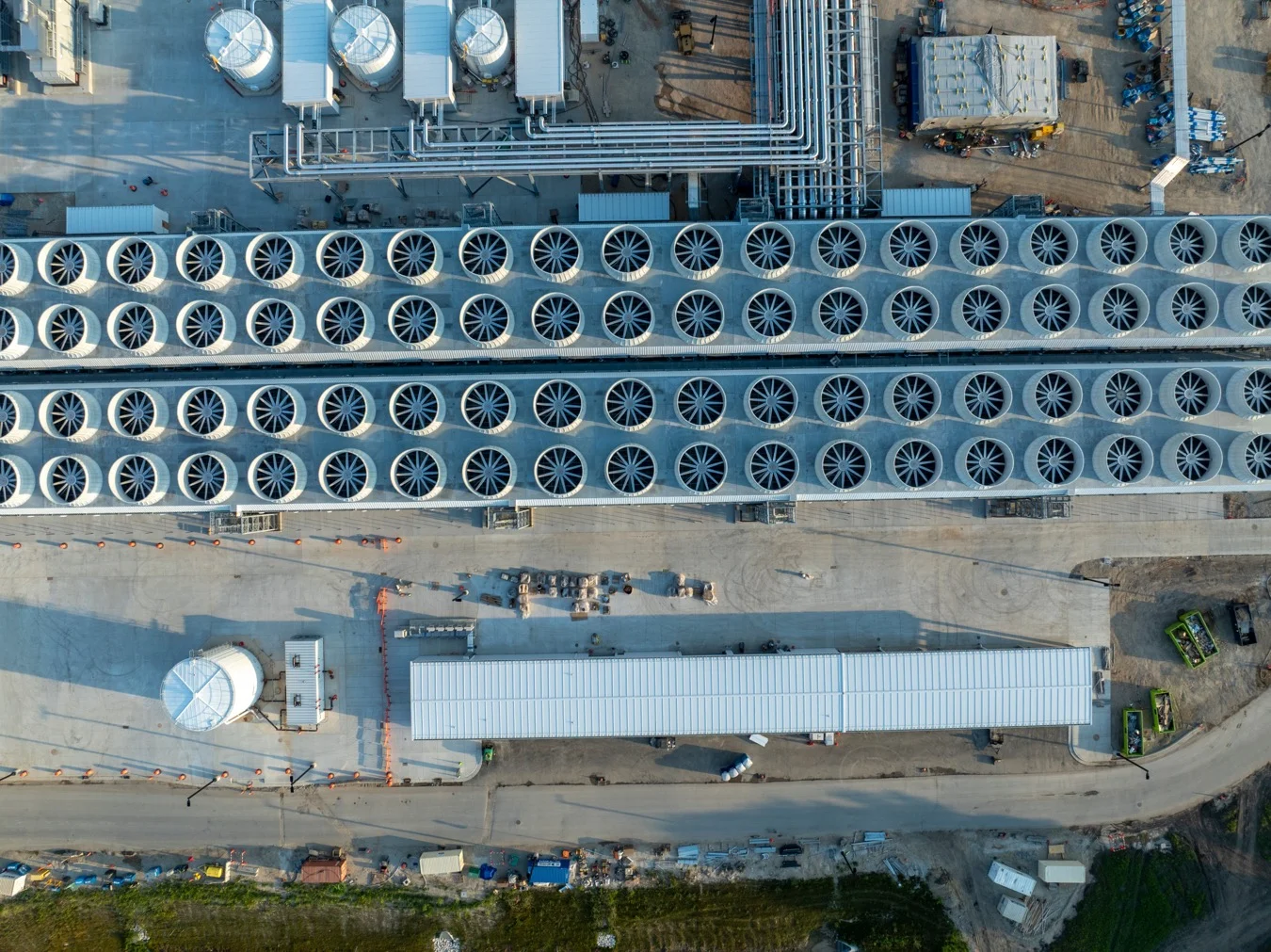
  • The buildings themselves have changed. Data centres, battery and semiconductor plants, and life sciences facilities dominate the pipeline, and they carry technical complexity that ordinary commercial or residential builds never did.
  • The labour market has tightened. Cleanroom fit-out specialists, high-voltage engineers, controls technicians (the people who can actually deliver these buildings), are in short supply across most of Europe, and availability now moves week to week, not year to year.
  • The commercial stakes have risen. For a data centre, the gap between financial close and going live isn't overhead it's unearned revenue. Every month of delay is a month a competitor captures instead.

Put those three together and a pricing model built to absorb slow, incremental change starts to buckle. It finds its problems on site, at the point they're most expensive to fix, in a market that can least afford the delay.
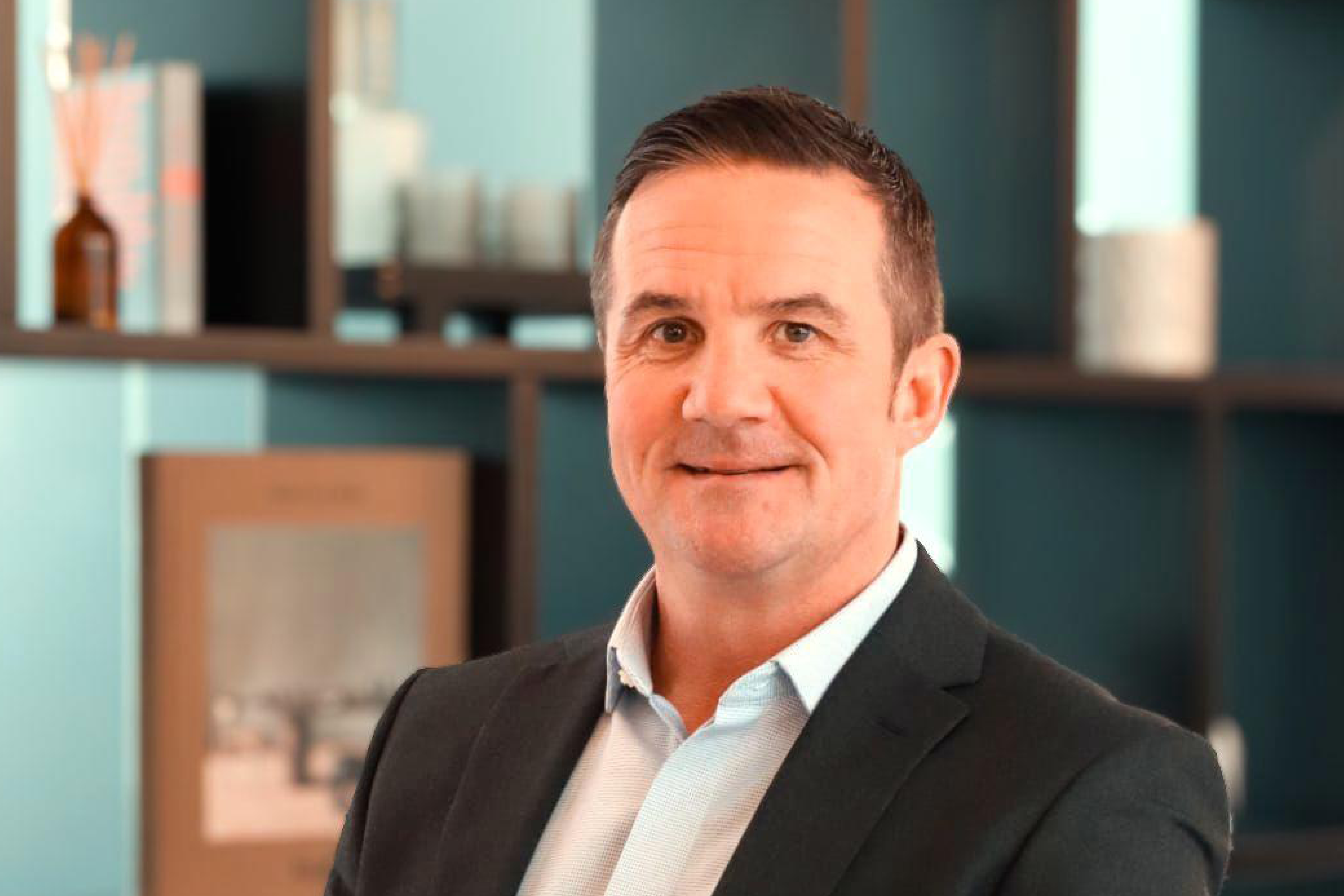
“The industry kept the pricing model from a market that no longer exists.”

Guy Holding

Q: So what does Woodalls do differently?

A: It isn't a new form of contract. It's a different sequence bringing pricing, budget, and risk into the design process itself, rather than settling them once and hoping the world holds still.

  • We price against the real market, not a snapshot of it. A shortlisted supply chain is engaged from day one, and cost develops in step with the design. That means the number a client is working to reflects current market conditions throughout, not a figure frozen at tender that quietly goes stale. In a tight labour market, it also means the right trades are actually secured, not merely assumed to be available later.
  • We make the budget something you can see moving, not something you find out about at the end. Every design decision with a cost consequence is priced before it's locked in, not after. That turns the budget from a document reconciled at completion into a live control panel the client and design team are both watching.
  • We treat risk as something to solve together, not something to hand off. Being embedded from the earliest stage means risk is identified, costed, and managed jointly, rather than pushed downstream to be disputed once it's already caused damage. It's a different relationship, aligned rather than adversarial, and it changes what happens when something unexpected does turn up.

Q: You talk about certainty rather than cost savings. Why that distinction?

A: It would be easy to describe this as a way to save money. That undersells it. What clients are really buying is certainty and certainty is what makes everything else about the project work.

Every one of these buildings was greenlit against a specific capital cost, a specific completion date, and a specific return. Certainty is the thing that keeps those numbers true from approval through to handover. When the price holds because it was built on live data, and the programme holds because risk was managed early, the return the board signed off on is the return the project actually delivers.

That's what makes a feasibility case stand up to scrutiny, what keeps financiers comfortable through the build, and what gives a client the confidence to commit to the next project. For a data centre, where revenue starts the instant it's energised, programme certainty and financial certainty are the same thing.

Q: Where does this approach matter most?

A: In principle every project with a budget and a business case benefits from it, we've yet to meet a client who'd choose more uncertainty if it were on offer. But it matters most where the cost of getting it wrong isn't just financial:

  • Life sciences facilities that need to open exactly when a validation programme requires it
  • Laboratories being fitted out around live, ongoing research
  • Manufacturing upgrades that can't afford to stop the production line
  • Data centres where the energisation date is the business case
  • Healthcare infrastructure, where delay carries regulatory as well as commercial consequences

On projects like these, certainty isn't a bonus feature. It's the brief itself.

Q: What would you say to a client still running the traditional model?

A: That it was designed for a slower, less constrained market than the one Europe is building in today. If your current procurement approach is still deferring risk until it shows up on site, that's not a neutral choice it's a decision to find out how expensive your unknowns are at the worst possible moment.

The projects that come through this decade without drama will be the ones where certainty was designed in from the start, not fought for after the fact.

To talk through how this applies to your next project, get in touch with the Woodalls team.

Insights from across the industry
Subscribe for project updates, industry perspectives, and ideas shaping the future of the built environment.
Thank you! Your submission has been received!
Oops! Something went wrong while submitting the form.

Let's work together

Reach out to leverage the expertise of our team