Making the office irresistible again
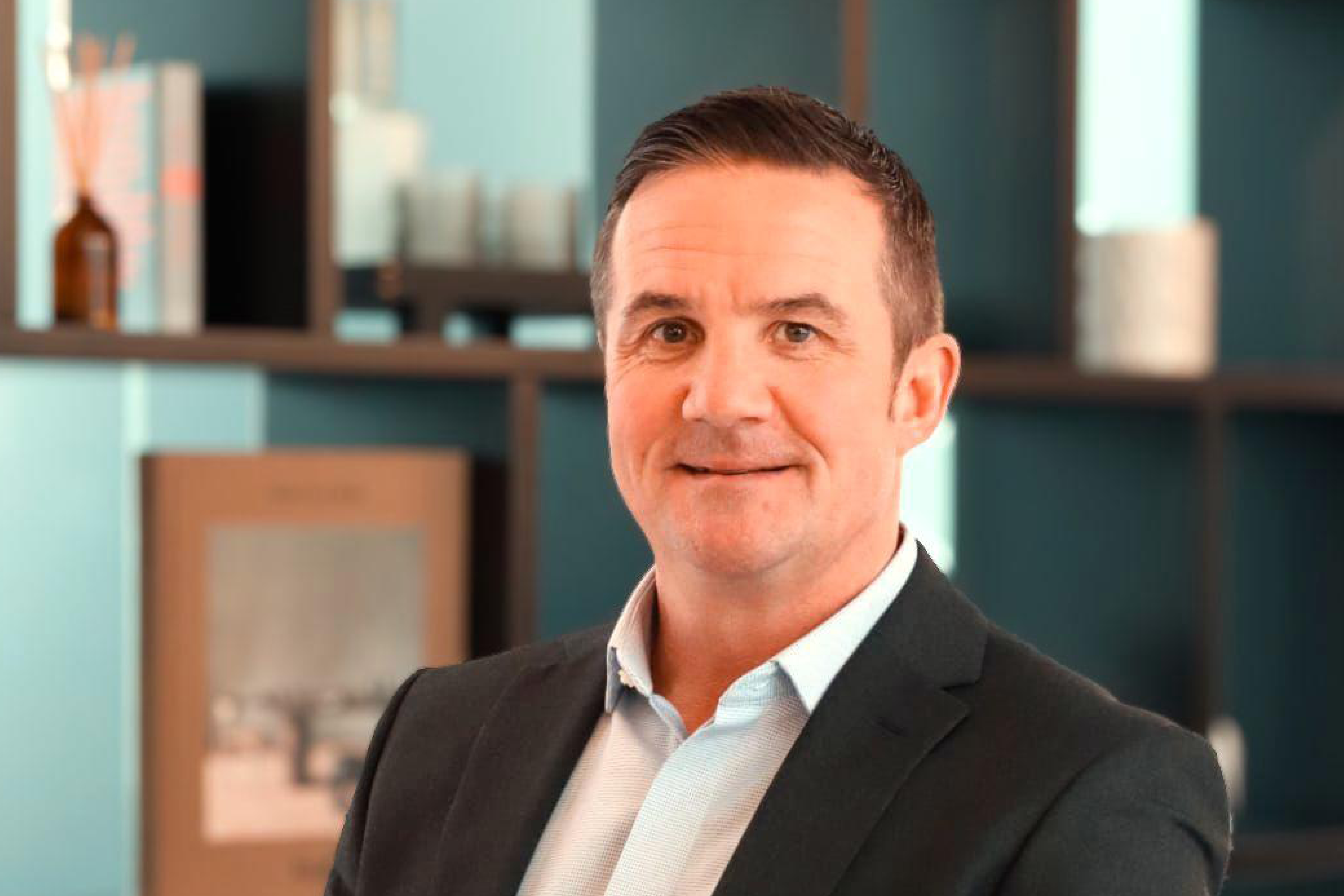
We sat down with our Head of Design, Greta Kriovaite, to understand what she is seeing across the market. One trend is unmistakable: employees are increasingly selective about when and why they come into the office. It is no longer enough for a space to exist or simply house desks and meeting rooms. The workplace is judged on the experience it delivers, and that experience shapes engagement, productivity and culture.
The office as an experience
Workplaces are competing with the home environment in ways they never have before. Employees expect comfort, convenience and purpose, and they quickly judge spaces that fall short. Organisations that are succeeding ask a simple question: does our environment create an experience worth choosing?
The office is no longer just somewhere to complete tasks. It influences performance, perception and culture. If it feels outdated or inconvenient, employees disengage. If it feels purposeful and aligned to how people actually work, it becomes a strategic asset.
Why the office matters for future generations
For future generations, and Gen Z in particular, the office plays a critical developmental role. Early career professionals learn not only through formal training but through proximity: observing decision making, receiving informal feedback and building networks organically. These moments are difficult to replicate remotely.
The office also creates visibility. Emerging talent can be seen contributing, building confidence in discussion and developing the soft skills that accelerate progression. It fosters mentorship through everyday interaction and strengthens belonging through shared experience like at WeTransfer Amsterdam.
For those who entered the workforce during periods of disruption, the office can provide structure, community and clarity. When designed well, it becomes a space where careers take shape and professional identity develops. Organisations that recognise this are designing not just for productivity today, but for leadership tomorrow.
Environment shapes behaviour
Physical space is never neutral. Poor acoustics increase stress and reduce concentration. Inadequate lighting drains energy. Confusing layouts waste time. Technology that requires workarounds creates frustration before the meeting has even begun. These are not minor oversights, they are daily signals about how much an organisation values its people’s time and attention.
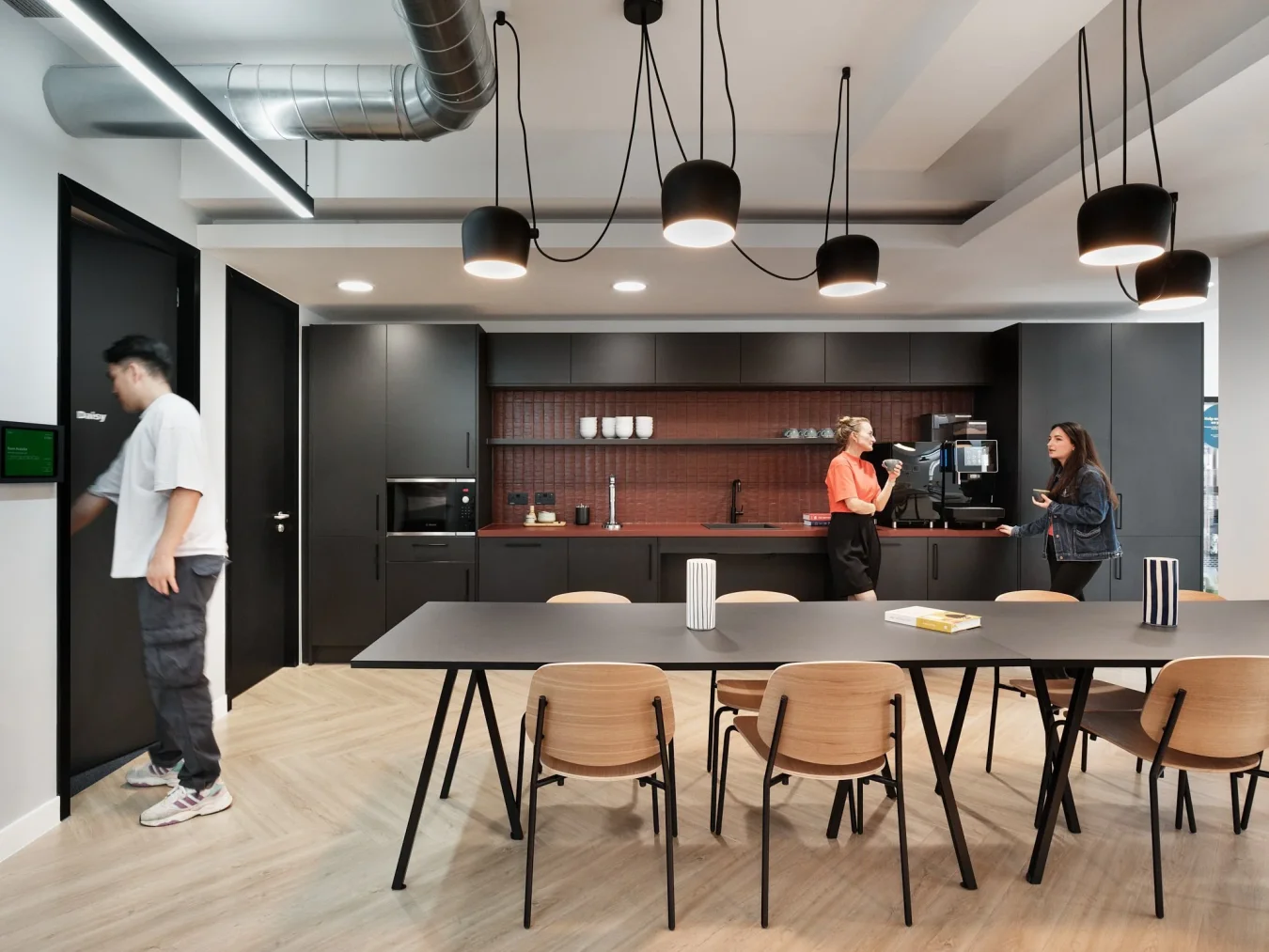
Conversely, spaces designed with intention elevate behaviour. Clear zoning between focus and collaboration reduces cognitive switching. Reliable hybrid technology and intuitive room booking remove friction. Thoughtful material choices, natural light and controlled sound create a sense of calm authority rather than chaos, like at Banking Circle. Experience begins the moment someone enters the building and is reinforced in every interaction with the space - find out how we did this at TomTom Madrid.
Designing authentic, inspiring environments
Sterile, characterless offices no longer resonate. White walls and uniform finishes rarely inspire creativity or connection. People respond to environments with personality and identity.
Authentic design reflects who an organisation is and what it stands for. Intentional colour palettes, stimulating imagery and layered materials create warmth and depth. Spaces should feel human, not generic. When employees see their culture reflected physically, like at TomTom Madrid, pride increases and the office becomes meaningful rather than merely functional.
Technology as an experience layer
Technology has a profound influence on the overall office experience. From desk and room booking to wayfinding tools and seamless hybrid connectivity, digital infrastructure determines whether a day feels effortless or frustrating.
When technology works intuitively, it builds confidence and autonomy, like at Schneider Electric, London. When it fails, it undermines even the best design. The most effective workplaces treat technology as an integrated layer of the environment, not an afterthought.
Experience is the new employer brand
In a competitive talent market, workplace experience is inseparable from employer reputation. A neglected office sends one message. An environment that balances performance, comfort and identity sends another. Well designed social hubs, quality amenities and spaces for quiet restoration communicate care.
When employees take pride in their workplace, advocacy and retention improve. Experience becomes a differentiator.
Friction is the real competitor
Home working has reset expectations around control. People can adjust lighting, manage noise and structure their day with autonomy. Any office that introduces unnecessary friction, such as long waits for lifts, unreliable WiFi, overcrowded desks or a lack of suitable meeting space, will be judged harshly. Reducing friction is about competitiveness as much as it is about comfort. Seamless access, adaptable work settings and dependable infrastructure protect both productivity and perception.
Designing for the long term
The most effective workplaces are evolving platforms rather than finished projects. Ongoing feedback, occupancy data and environmental metrics should guide continuous refinement, like at Kantar where we improved occupancy by over 30%. Flexibility must be embedded so layouts and technology can adapt as teams and priorities change.
The office will not win employees back through policy alone. It will win through environments that feel intentional, enabling and worth the journey. In a world defined by choice, experience is the deciding factor.